
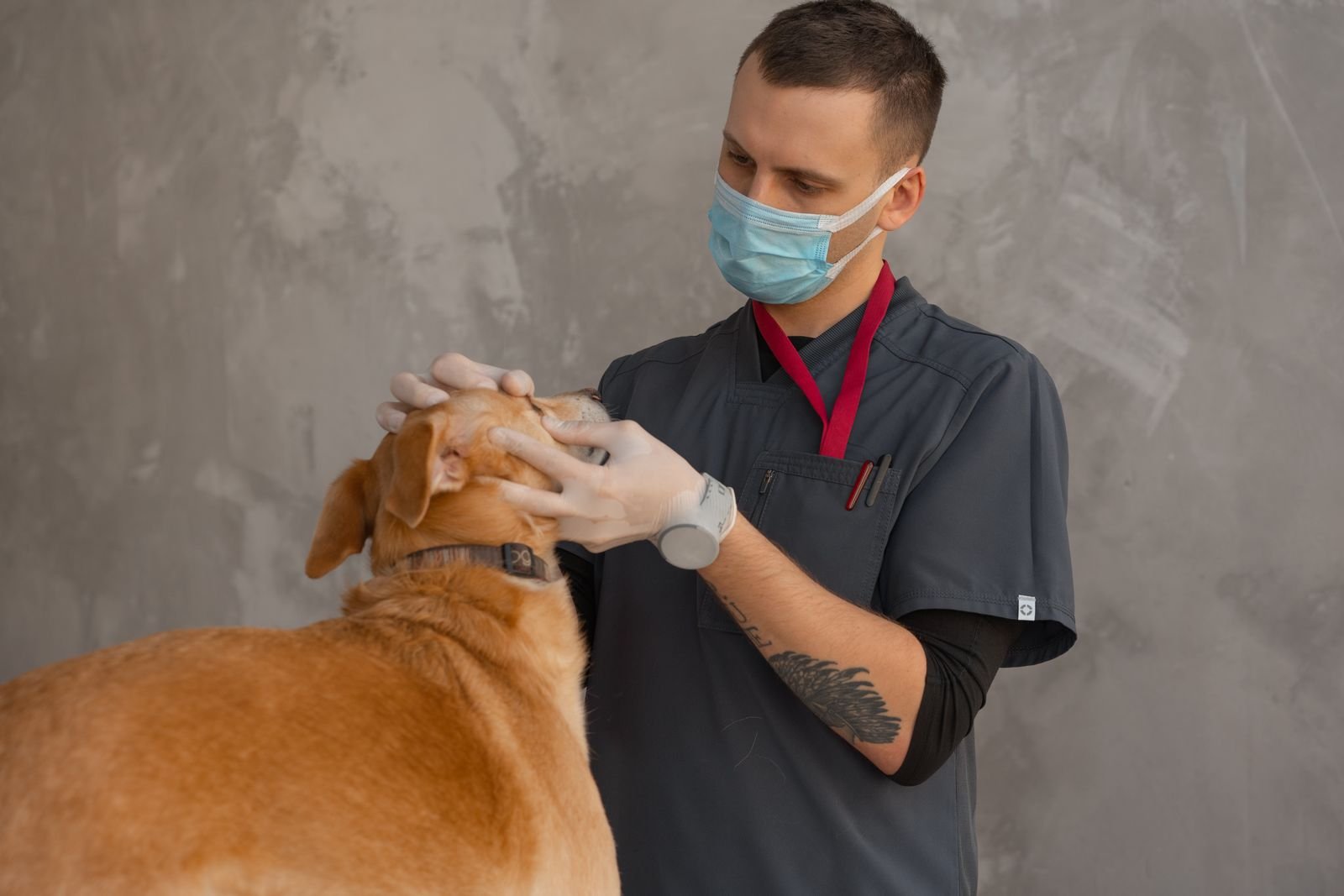
Persistent bad breath in dogs and cats is usually the first sign of dental disease, not a normal pet odor. Bacteria below the gumline cause inflammation, pain, and tooth loss, and can affect other organs. Mission and San Francisco pet owners should treat ongoing bad breath as a clear reason to schedule a dental check.
Many pet owners assume that strong “doggy breath” or sour-smelling cat breath is just part of having a pet. In reality, persistent bad breath is one of the earliest and most reliable signs of dental disease, a problem that affects the majority of dogs and cats by the age of three. Left unchecked, it can lead to pain, tooth loss, and added strain on internal organs. For pet owners in the Mission District and across San Francisco, learning what your pet’s breath is telling you is an important first step in protecting their long-term health.
What Causes Dental Disease in Dogs and Cats
Dental disease begins with plaque, a sticky film of bacteria that forms on the teeth after eating. When plaque is not removed, it hardens into tartar and works its way beneath the gumline. There, the bacteria trigger inflammation, infection, and the gradual breakdown of the tissue and bone that hold the teeth in place.
That bacterial activity is what produces the foul odor owners notice, but the smell is only the surface of the problem. Advanced dental disease is genuinely painful, and the bacteria can enter the bloodstream and place extra strain on the heart, liver, and kidneys. This is why dental health is about far more than fresh breath. It is tied directly to your pet’s whole-body wellness.
Signs of Dental Disease Every San Francisco Pet Owner Should Know
Bad breath is often the first clue, but it is rarely the only one. Watch for yellow or brown buildup on the teeth, red or swollen gums, and bleeding while your pet chews or after they play with a toy. You may also notice drooling, dropping food, chewing on only one side, pawing at the mouth, or a new reluctance to eat hard kibble.
Cats are especially skilled at hiding mouth pain, so subtle changes such as eating less, becoming withdrawn, or favoring soft food are worth taking seriously. If you notice any of these signs, a wellness exam is the best way to find out what is happening beneath the surface before small problems become painful ones.
How Professional Dental Care Protects Your Pet
Much of dental disease develops below the gumline, where it cannot be seen or reached by brushing alone. A thorough veterinary visit for dental care lets us examine the whole mouth, clean above and below the gumline, and use dental X-rays to find hidden trouble such as root infections or bone loss that are invisible on the surface.
Professional care addresses what is already there, while good home habits slow what comes next. Together they are far more effective than either one alone, and they spare your pet a great deal of discomfort over a lifetime.
Simple Steps for Better Dental Health at Home
Between visits, you can slow the buildup of plaque with a few consistent habits. Brush your pet’s teeth with pet-safe toothpaste, never human toothpaste, and aim for a short session most days of the week. Offer dental-friendly chews and toys designed to reduce plaque, and keep fresh water available at all times.
Consistency matters more than perfection. Even a brief daily brushing makes a real difference over time, and pairing that routine with regular checkups gives your pet the best chance at a comfortable, healthy mouth for life. If your pet already resists having their mouth handled, our team can show you gentle ways to build the habit.
Has your pet’s breath been hard to ignore lately? Learn what a dental visit involves on our dental care page, or call us at (415) 907-7576 to schedule a check. Catching dental disease early means simpler, more comfortable care for your pet.
Frequently Asked Questions
Is bad breath in pets ever normal?
Mild odor right after eating can happen, but persistent or strong bad breath is not normal. It usually signals plaque, tartar, or gum disease that should be checked by a veterinarian.
How often should my pet have a dental check?
Most pets benefit from a dental assessment at least once a year as part of their routine exam. Small breeds and many cats may need more frequent attention.
Can I just brush my pet’s teeth at home instead of a professional cleaning?
Home brushing is excellent and helps a great deal, but it cannot reach below the gumline where much of dental disease develops. Both home care and professional cleanings are needed.
Why are dental X-rays necessary?
A large part of each tooth sits below the gumline. X-rays reveal hidden problems such as root infection and bone loss that cannot be seen during a visual exam alone.
My cat is eating fine. Could it still have dental disease?
Yes. Cats are skilled at hiding pain and often keep eating despite significant dental disease. Regular checks help catch problems before they become severe.