
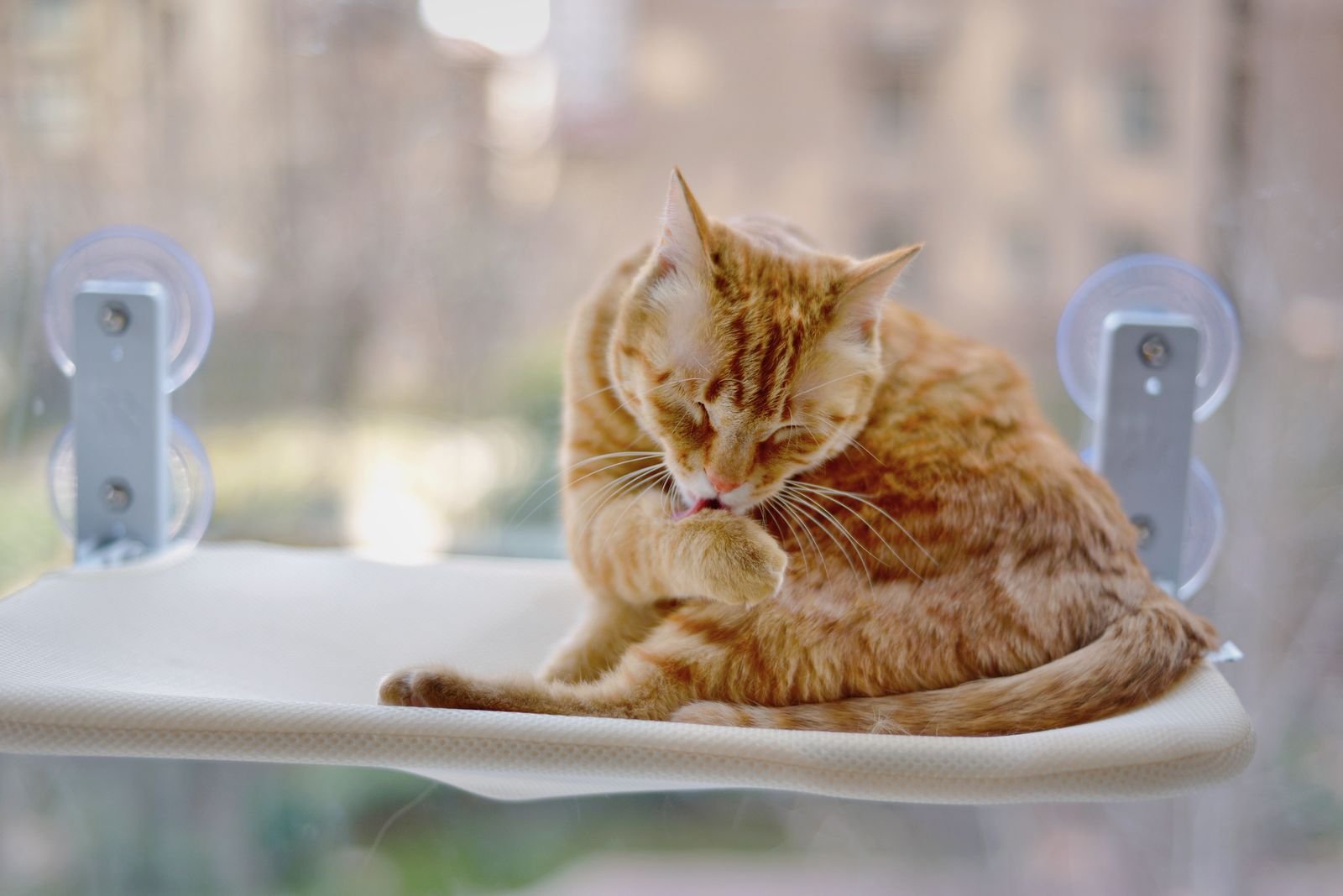
Indoor cats live longer, safer lives, but a small San Francisco apartment can leave them bored, stressed, and prone to weight gain. The fix is daily enrichment: vertical spaces to climb, window perches, food puzzles, scheduled play that mimics hunting, and rotating toys. Pair this with regular veterinary checkups to track weight and catch problems early.
Indoor life is safe, but it is not automatically fulfilling
Keeping your cat indoors is one of the best choices you can make in a dense city like San Francisco. Indoor cats avoid traffic, fights with other animals, and many infectious diseases, and they generally live longer as a result. In neighborhoods like the Mission, Potrero Hill, and SoMa, busy streets make outdoor roaming genuinely risky, so an indoor life is the safer path for most cats.
The catch is that safety alone is not the same as wellbeing. Cats are hunters by nature, wired to stalk, chase, climb, and patrol territory. A quiet apartment removes the dangers of outdoor life but also removes most of its stimulation. Without a plan to replace that activity, many indoor cats gradually become bored, stressed, and heavier than they should be.
How to spot an under-stimulated cat
Bored cats rarely announce it directly, but the signs are recognizable once you know what to look for. Overgrooming is a common one: a cat that licks or chews the same patch of fur until it thins may be soothing itself out of stress or simple lack of anything better to do. Frantic bursts of energy in the middle of the night, sometimes called night zoomies, often mean your cat did not burn enough energy during the day.
Other signals include constant attention-seeking, such as meowing at you, knocking items off shelves, or pawing at your keyboard while you work, and a growing obsession with food. When mealtime is the most exciting event of the day, cats begin begging, waking you at dawn, and eating out of boredom rather than hunger. If you notice these behaviors, your veterinarian can examine your cat to rule out medical causes before you chalk it up to boredom alone.
Think vertical: making a small apartment feel bigger
You cannot add square footage to a Mission District apartment, but you can add height, and to a cat that counts for a lot. Cats measure territory in three dimensions, so a tall cat tree, a set of wall-mounted shelves, or cleared space on top of a sturdy bookcase can effectively double the territory your cat perceives. Elevated resting spots also give cats a sense of security, letting them observe the room from above.
A window perch is one of the highest-value additions you can make. A view of the street below, birds on a wire, or foot traffic on the sidewalk works like television for cats and can occupy them for hours. Add at least one sturdy scratching post as well, since scratching is a natural need for stretching, claw health, and scent marking. A good post protects your furniture and gives your cat an approved outlet.
Food puzzles, hunting-style play, and toy rotation
In nature, cats work for every meal, and that work is mentally satisfying. You can recreate it indoors with food puzzles and foraging games: puzzle feeders that release kibble as they are batted around, treat balls, or simply hiding small portions of the daily ration around the apartment for your cat to find. Slowing down eating this way adds mental exercise and helps prevent the gulp-and-nap cycle that fuels weight gain.
Scheduled play matters just as much. Two or three short sessions a day with a wand toy that mimics prey, letting your cat stalk, chase, pounce, and finally catch the toy, satisfies the full hunting sequence in a way that passive toys cannot. End a session with a small meal or treat to complete the hunt-eat-groom-sleep rhythm. Keep a box of toys and rotate a few out each week, because a toy that disappears for a while feels brand new when it returns.
Weight creep: why even one pound matters for a cat
Weight gain in indoor cats tends to happen slowly, a few ounces at a time, which makes it easy to miss day to day. But scale matters: many adult cats weigh in the neighborhood of ten pounds, so a single extra pound is a large share of their total body weight. Extra weight puts added strain on joints, makes grooming harder, and is associated with a range of health problems that your veterinarian can discuss with you.
The good news is that weight creep responds well to the same enrichment that fights boredom: measured meals instead of free feeding, food puzzles that slow eating, and daily play that burns energy. If your cat has already gained weight, resist the urge to cut food drastically on your own, since rapid weight loss can be dangerous for cats. Our nutrition counseling team can help you build a safe, gradual plan tailored to your cat.
Multi-cat households: separate resources keep the peace
Sharing an apartment between two or more cats adds a social layer to enrichment. Cats are territorial, and forced competition over food bowls, water, litter boxes, or favorite resting spots is a major source of hidden stress. A widely used rule of thumb is one litter box per cat plus one extra, placed in different locations rather than side by side.
The same principle applies to everything else: separate feeding stations, multiple water sources, and enough elevated perches and hiding spots that no cat has to cross another’s territory to reach what it needs. In a small space, vertical territory does a lot of this work, since two cats can share a room peacefully when one can retreat to a high shelf. Watch for blocking behavior, where one cat guards a hallway or litter box, as it is often the first sign of tension.
Indoor cats still need regular veterinary checkups
A common misconception is that indoor cats do not need to see a veterinarian because they are protected from the outside world. In reality, regular checkups are just as important for apartment cats. Cats are experts at hiding discomfort, and an annual exam lets your veterinary team track weight trends over time, take a quick look at teeth and gums as part of overall dental care, and recommend vaccines suited to an indoor lifestyle. Small changes on the scale or in behavior are much easier to address when they are caught early.
Checkups are also the right place to talk through enrichment, since your veterinary team can help you tell normal quirks from signs that something more is going on. Our pet care services team sees apartment cats from all over the Mission and surrounding San Francisco neighborhoods, and our broader medical services are available when an exam turns up something that needs a closer look.
Frequently asked questions
Is it cruel to keep a cat indoors in an apartment?
No. Indoor cats are protected from traffic, fights, and many diseases, and they typically live longer than outdoor cats. The key is providing daily enrichment, such as climbing space, window views, food puzzles, and play, so indoor life stays engaging.
How much playtime does an indoor cat need each day?
Most indoor cats do well with two or three short, focused play sessions a day, often ten to fifteen minutes each. Sessions that let your cat stalk, chase, and catch a wand toy are more satisfying than leaving toys out and hoping your cat plays alone.
Why does my cat race around the apartment at night?
Night zoomies usually mean your cat has unspent energy from an under-stimulating day. Adding play sessions in the evening and a small meal before bed often helps. If the behavior is new or extreme, your veterinarian can examine your cat to rule out medical causes.
Does one extra pound really matter for a cat?
Yes. Because cats are small, one pound is a large fraction of their body weight and adds real strain on joints and organs. Regular weigh-ins at checkups catch weight creep early, when gradual changes to feeding and activity are easiest to make.
Do indoor cats still need vaccines and annual exams?
Yes. Indoor cats still need regular checkups for weight tracking, parasite prevention, and vaccines chosen to match their lifestyle. Cats hide illness well, so an annual exam is often the only way to catch problems before they become serious.